No products in the cart.
- 7am -7pm Everyday
- 23 W. Market St, Wilkes-Barre, PA 18701
- info@abidecoffeehouse.com
- 570-994-3153
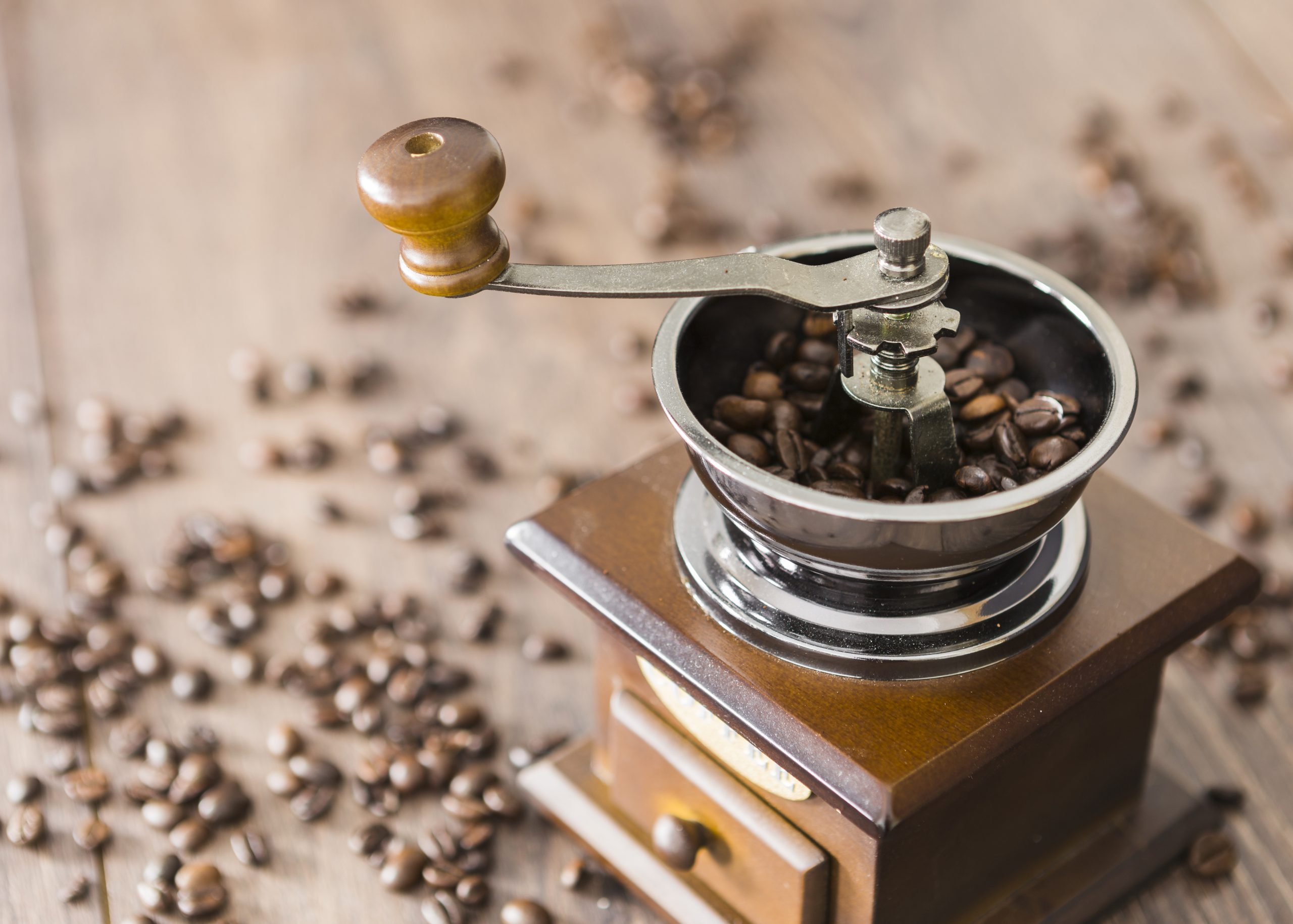
Choosing the right coffee grinder can make a world of difference in the flavor and quality of your coffee. Whether you’re a casual coffee drinker or a dedicated enthusiast, having the right grinder is key to unlocking the full potential of your coffee beans. In this guide, we’ll walk you through the different types of coffee grinders, their benefits, and how to select the best one for your needs.
The coffee grinder you choose directly impacts the grind size, which in turn affects the flavor, aroma, and overall quality of your coffee. Freshly ground coffee beans offer superior flavor compared to pre-ground coffee. With the right grinder, you can customize your coffee to suit your brewing method and taste preferences.
There are two main types of coffee grinders: blade grinders and burr grinders. Each has its own pros and cons.
Beyond the type of grinder, you’ll also need to decide between a manual or electric grinder.
Each coffee brewing method requires a specific grind size for optimal flavor. Here’s a quick guide:
When choosing the right coffee grinder, consider these additional factors:
Choosing the right coffee grinder is essential for brewing delicious coffee at home. Whether you opt for a blade or burr grinder, manual or electric, the key is to match your grinder to your brewing method and taste preferences. With a little research and the right investment, you can elevate your coffee experience with fresh, perfectly ground beans.
For more tips and coffee gear recommendations, visit Abide Grounds and explore our selection of quality grinders and accessories.
At Abide, our goal is to bring you more than great tasting specialty coffee, we want our store to feel like home. Nestled in downtown Wilkes-Barre, we believe in paying homage to our city’s history while still offering a modernity that appeals to all generations.
© Copyright 2024 – All Rights Reserved | With love by – Abide Coffeehouse.