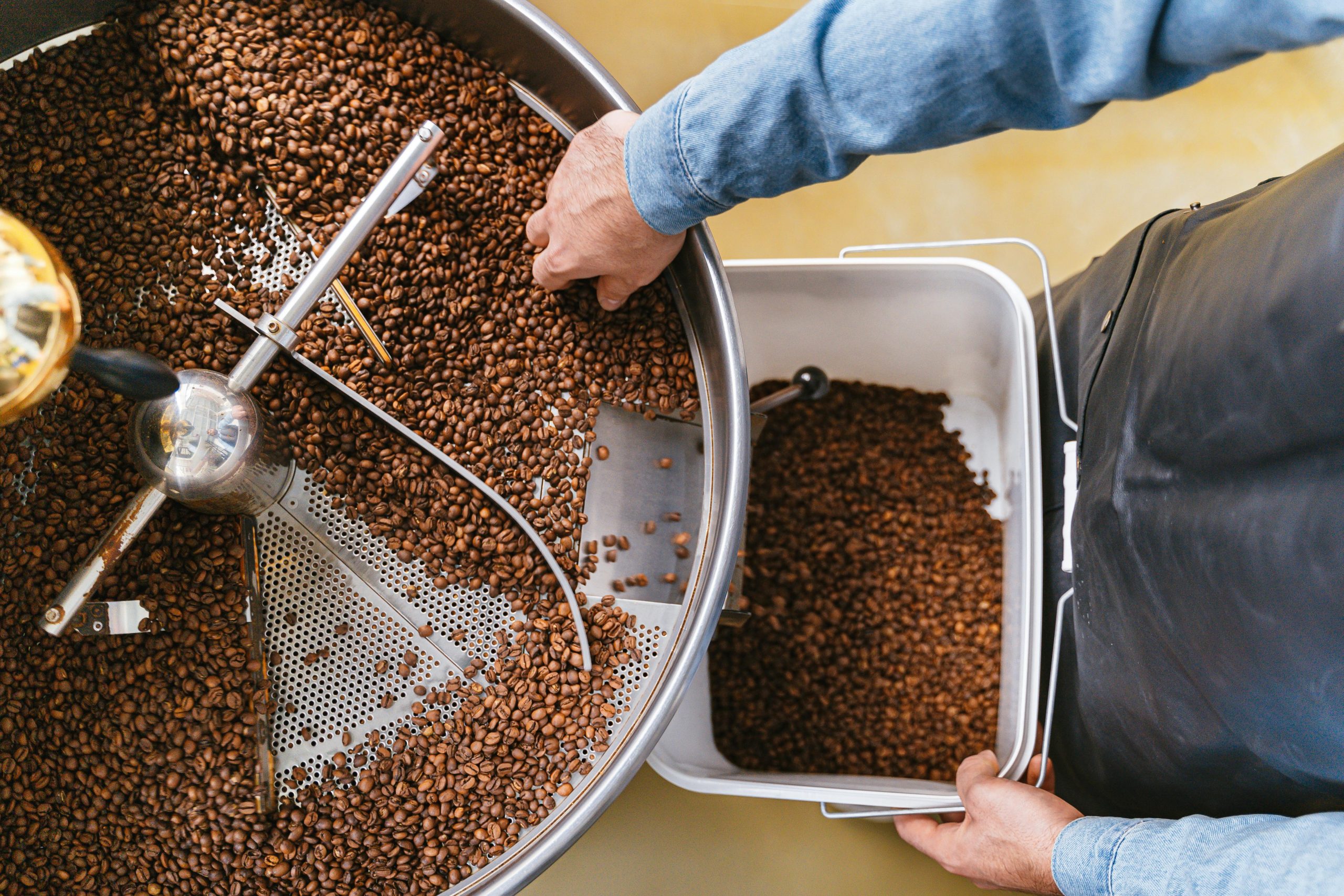
Master the art of blending coffee by learning how to create your own custom coffee blend. Discover tips and techniques for combining flavors to craft the perfect cup.
The Art of Blending: How to Create Your Own Unique Coffee Blend
Coffee is a beloved beverage enjoyed in countless variations, but there’s something truly special about creating your own custom coffee blend. Blending allows you to combine different beans, each with its unique flavor profile, to craft a cup that’s tailored to your personal taste. Whether you prefer a rich, full-bodied brew or a bright, fruity cup, the art of blending coffee offers endless possibilities to experiment and perfect your signature blend.
In this guide, we’ll explore the basics of coffee blending, share tips on selecting the right beans, and walk you through the steps to create a custom blend that’s just right for you.
Why Blend Your Own Coffee?
Blending coffee allows you to achieve a harmonious balance of flavors, texture, and aroma that you can’t find in pre-packaged coffees. There are several benefits to creating your own coffee blend:
- Custom Flavor Profiles: Blending gives you the freedom to combine different types of coffee beans to achieve a unique flavor. You can adjust the blend’s acidity, body, and sweetness to suit your preferences.
- Freshness: When you blend your own coffee, you’re using freshly ground beans, ensuring that each cup is packed with flavor.
- Experimentation: Blending is a creative process. It allows you to explore different flavor combinations and experiment with various beans, roast levels, and origins to find what you like best.
Understanding Coffee Beans and Their Flavor Profiles
Before you begin blending your own coffee, it’s essential to understand the flavor profiles of different beans. Coffee beans come in a variety of types and are grown in different regions around the world, each with its own unique characteristics.
Here are the main types of coffee beans and their flavor profiles:
- Arabica Beans: Arabica beans are known for their smooth, balanced flavor with a wide range of taste notes, including fruity, floral, nutty, and chocolatey. They tend to have a mild acidity and are often favored for lighter roasts.
- Robusta Beans: Robusta beans are bolder, more robust, and contain more caffeine than Arabica. They often have a stronger, more bitter flavor with earthy and woody notes. They are commonly used in espresso blends.
- Liberica Beans: These beans are less common but known for their unique flavor, which is often described as smoky, woody, and slightly fruity. They can add complexity to a blend.
- Excelsa Beans: Often used in blends, Excelsa beans have a complex flavor profile with notes of dark fruits, spices, and a distinct tartness.
The Basics of Blending Coffee
Now that you understand the different types of beans, let’s look at the basics of blending.
- Start with a Base Bean: Most blends are built around a base bean, typically an Arabica variety. Choose a bean with a flavor profile you enjoy, such as a fruity Ethiopian coffee or a smooth Brazilian coffee. This will form the foundation of your blend.
- Add a Supporting Bean: Next, choose one or two supporting beans to complement your base bean. You might opt for a Robusta for extra strength or a Liberica to add a smoky complexity. The supporting beans should enhance the flavor profile of your base bean without overpowering it.
- Balance the Roast Levels: Coffee beans come in various roast levels, from light to dark. For a well-balanced blend, combine beans with different roast levels. A lighter roast might provide fruity or floral notes, while a darker roast will add body and richness. For example, a medium roast Arabica combined with a dark roast Robusta can create a blend with complexity and depth.
- Consider Acidity, Body, and Aftertaste: Acidity gives coffee a lively, bright flavor, while body refers to the richness or weight of the coffee. Aftertaste is the lingering flavor you experience after you sip. To create a well-rounded blend, consider how these elements interact. For instance, a high-acid bean like an Ethiopian coffee could be balanced with a low-acid bean like a Sumatra coffee to smooth out the overall flavor.
How to Create Your Own Coffee Blend
Creating a custom coffee blend involves a bit of trial and error, but with the right approach, you’ll be able to craft a blend that suits your taste perfectly. Here’s a step-by-step guide:
- Choose Your Beans: Start by selecting 2 to 3 types of beans with complementary flavors. You can experiment with beans from different regions, roast levels, and types (Arabica, Robusta, etc.) to find what works best for your desired flavor profile.
- Experiment with Ratios: The key to blending is finding the right balance of beans. A typical starting point is a 70/30 or 80/20 ratio, with the majority of the blend being your base bean. You can adjust these ratios based on the flavors you’re aiming for. For example, if you want a stronger coffee, you might add more Robusta.
- Grind the Beans: Grind your beans just before brewing for the freshest taste. The grind size should match your brewing method—coarser for French press, medium for drip coffee, and fine for espresso.
- Brew and Taste: Brew your coffee as you normally would, and taste the results. Does it taste too acidic? Too bitter? Too weak? Take notes on the flavor profile and adjust your blend accordingly. You might need to tweak the bean ratios or try different roast levels to achieve the desired result.
- Refine Your Blend: Once you’ve found a blend you enjoy, keep experimenting with slight adjustments. You can also add flavor notes like cinnamon or vanilla during the brewing process to give your blend a unique twist.
Popular Coffee Blends to Try
If you’re looking for inspiration, here are a few popular coffee blends to try:
- Espresso Blend: Combine a dark roasted Robusta with a medium roasted Arabica for a bold, rich coffee with a creamy body.
- Breakfast Blend: Mix a light roast Colombian coffee with a bright Ethiopian coffee for a light, fruity cup with a clean finish.
- Mocha Blend: Blend a chocolatey Brazilian coffee with a fruity, floral Ethiopian coffee for a cup with a hint of sweetness and complexity.
Conclusion
The art of blending coffee is an exciting and rewarding process that allows you to create a cup that’s uniquely yours. By experimenting with different beans, roast levels, and ratios, you can craft a blend that suits your taste and reflects your personal style. Whether you’re looking for a bold espresso blend or a smooth, mellow brew, the possibilities are endless. So, start blending today and discover the perfect coffee blend for your palate!