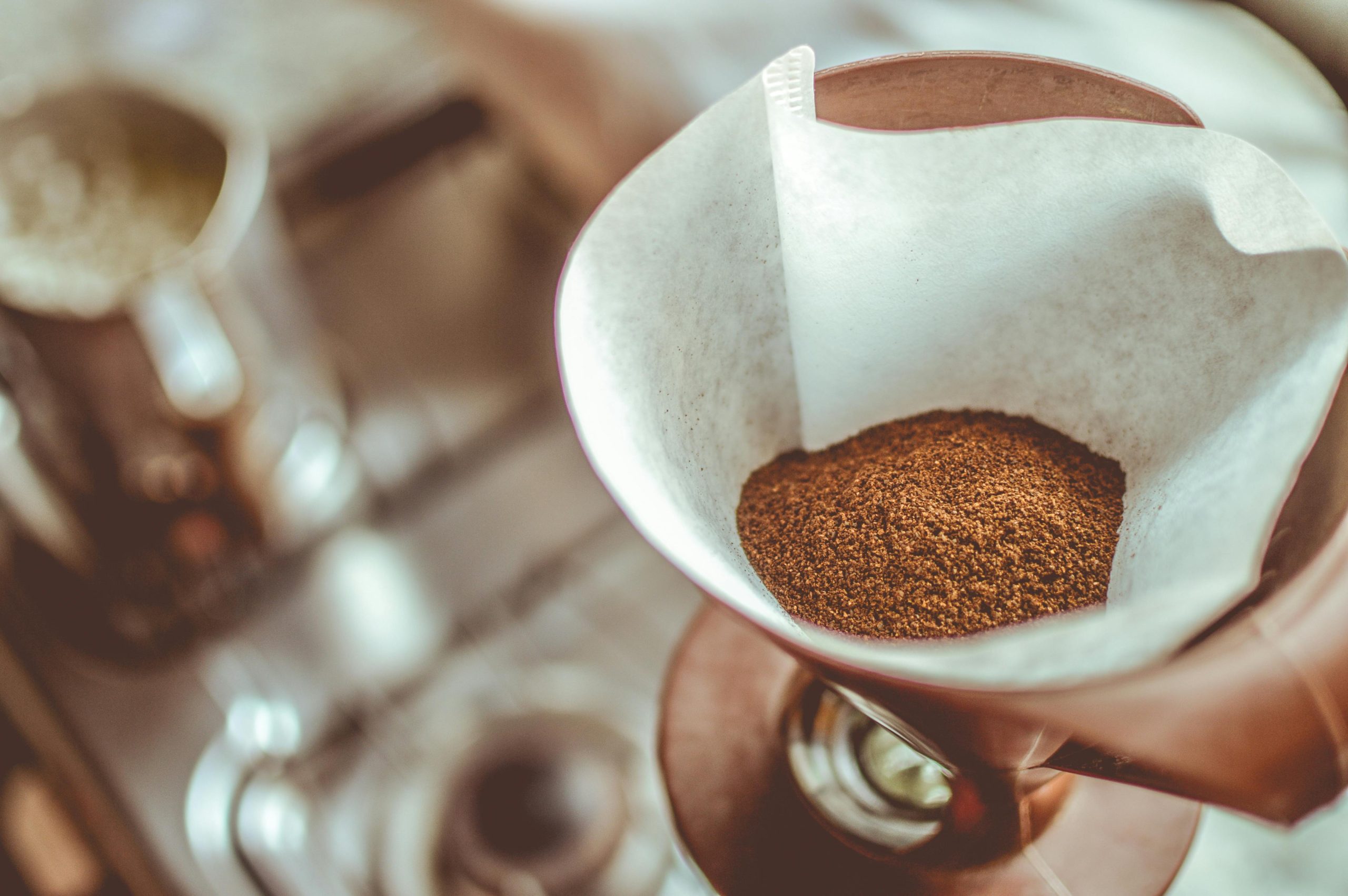
Learn how grind size influences coffee extraction and flavor. Discover the best grind sizes for different brewing methods to achieve the perfect cup of coffee.
The Impact of Grind Size on Coffee Extraction: How It Affects Flavor
When it comes to brewing the perfect cup of coffee, many factors come into play: the quality of your beans, the brewing method, the water temperature, and, of course, the grind size. Grind size is one of the most important elements that can significantly impact the taste and extraction of your coffee. Whether you’re using a French press, espresso machine, pour-over, or drip coffee maker, understanding how grind size affects coffee extraction can help you brew a cup that’s full of flavor and balance.
In this article, we’ll dive into the relationship between grind size and coffee extraction, why it matters for flavor, and how to adjust your grind size to achieve the perfect cup.
What is Coffee Extraction?
Before we discuss how grind size influences coffee, it’s important to understand what we mean by “extraction.” Coffee extraction is the process of dissolving the soluble compounds in coffee beans (such as sugars, oils, and acids) into the water during brewing. The goal of extraction is to pull out the flavors that make your coffee taste delicious while avoiding over-extraction, which can lead to bitterness, or under-extraction, which can result in a sour or weak brew.
Grind size plays a crucial role in this process because it affects how much of the coffee’s surface area is exposed to water. The smaller the grind, the more surface area is available for extraction, while larger grounds offer less surface area, resulting in slower extraction.
The Relationship Between Grind Size and Extraction Time
Different brewing methods require different extraction times, and grind size must be adjusted accordingly to ensure optimal flavor extraction.
- Coarse Grind: A coarse grind is typically used for brewing methods that require longer extraction times, such as a French press or cold brew. Larger particles allow the water to extract flavors more slowly and evenly. If the grind is too fine for a method like French press, the coffee could be over-extracted, leading to a bitter taste.
- Medium Grind: A medium grind is ideal for drip coffee makers or pour-over methods. This grind size strikes a balance between the surface area and extraction time, allowing water to flow through the coffee grounds at the right rate for optimal flavor.
- Fine Grind: Fine grounds are used for espresso brewing, where the extraction time is much shorter. A fine grind increases the surface area for quick extraction, resulting in a rich, concentrated shot of espresso. A grind that’s too coarse will lead to under-extraction and weak espresso.
- Extra-Fine Grind: For Turkish coffee, an extra-fine grind is used, where the coffee is essentially powder. This grind allows for the longest extraction time and produces a super-rich, thick brew.
How Grind Size Affects Coffee Flavor
The size of your coffee grounds can greatly influence the flavor of your brew. Here’s how grind size impacts the extraction and the taste of your coffee:
- Over-Extraction: If the grind is too fine for your brewing method (such as using espresso grind in a French press), the water will extract too much from the coffee. This can lead to an overly bitter, astringent, or harsh taste because the coffee’s undesirable compounds, like tannins, are also extracted.
- Under-Extraction: Conversely, if the grind is too coarse for your brewing method (such as using French press grind in an espresso machine), the water will struggle to extract the flavors effectively, resulting in a weak, sour, or flat-tasting cup. In this case, the desirable flavors are under-extracted.
- Balanced Extraction: The key to great-tasting coffee is achieving balanced extraction, which allows you to pull out the right flavors. A well-adjusted grind size ensures that the right compounds are extracted—smooth sweetness, bright acidity, and rich body—while avoiding over-extraction that leads to bitterness.
Choosing the Right Grind Size for Different Brewing Methods
Each brewing method requires a specific grind size to optimize extraction. Below are the recommended grind sizes for various brewing techniques:
- French Press (Coarse Grind)
- The grind should resemble breadcrumbs or kosher salt. Coarse grounds allow for slower extraction in the French press, resulting in a full-bodied cup with a smooth texture.
- Pour-Over (Medium Grind)
- A medium grind is similar to the consistency of sea salt. It provides a balanced extraction, with water flowing through the grounds at just the right pace to yield a clean, flavorful cup.
- Drip Coffee Maker (Medium Grind)
- For automatic drip brewers, a medium grind is ideal. It helps water extract flavors over the typical 4-5 minute brewing time, giving you a clean, balanced cup of coffee.
- Espresso (Fine Grind)
- The grind for espresso should be very fine, like table salt. A fine grind allows for a quick extraction in the espresso machine, producing a rich, concentrated shot of coffee with strong flavors and crema.
- Cold Brew (Coarse Grind)
- For cold brew, use a very coarse grind, similar to raw sugar crystals. The long extraction time (12-24 hours) allows for smooth, mellow flavors to develop, and a coarse grind helps prevent over-extraction.
- Turkish Coffee (Extra-Fine Grind)
- Turkish coffee requires an extra-fine grind, almost powder-like. This grind allows the coffee to extract slowly, producing a rich, dense brew with intense flavors.
Adjusting Your Grind Size for Perfect Coffee
If you’re not happy with the flavor of your coffee, adjusting the grind size might be the solution. Here’s how to troubleshoot common brewing issues:
- Bitter or Overly Strong Coffee: If your coffee tastes bitter or too strong, try using a coarser grind to slow down the extraction process.
- Weak or Sour Coffee: If your coffee tastes weak or sour, try using a finer grind to increase extraction time and allow the water to draw out more of the coffee’s flavors.
Remember, grind size is just one of many variables in coffee brewing. If you’re experimenting with grind size, make sure other factors like water temperature, brewing time, and coffee-to-water ratio are also optimized.
Conclusion
Grind size plays a pivotal role in coffee extraction and directly impacts the flavor of your brew. By understanding how different grind sizes affect extraction time and the resulting flavor profile, you can fine-tune your brewing technique for a cup of coffee that’s perfectly suited to your tastes. Whether you’re brewing espresso, pour-over, or French press, the right grind size is essential for achieving the ideal balance of strength, smoothness, and complexity. So, next time you brew, take a moment to adjust your grind size and taste the difference in your cup!