Coffee and Vintage Collecting: Exploring Antique Coffee Memorabilia

Discover the fascinating world of antique coffee memorabilia. From vintage coffee grinders to classic advertising pieces, learn about the history and value of collecting coffee-related antiques.


Coffee and Vintage Collecting: Exploring Antique Coffee Memorabilia

For coffee lovers, the rich aroma and taste of a freshly brewed cup can evoke a sense of nostalgia. But did you know that this appreciation for coffee can also extend to collecting vintage coffee memorabilia? From antique coffee grinders to rare coffee advertisements, collecting coffee-related antiques is a growing hobby that offers a unique way to connect with the history of coffee culture. In this guide, we’ll explore the fascinating world of antique coffee memorabilia and how you can start your own collection.

1. What Is Coffee Memorabilia?

Coffee memorabilia refers to collectible items that are related to the history, culture, and evolution of coffee. These items can range from everyday coffee tools to decorative pieces and promotional materials. Coffee memorabilia often reflects the different eras and trends in coffee culture, making it a fascinating niche for collectors who appreciate the blend of history and art.

Whether it’s an antique coffee grinder from the early 20th century or a vintage coffee pot featured in a popular coffee advertisement, each piece of memorabilia tells a story of coffee’s journey through time.

2. Popular Categories of Coffee Memorabilia

Coffee memorabilia can be categorized into several types, each offering something unique to collectors:

  • Coffee Grinders: One of the most popular categories of antique coffee memorabilia, vintage coffee grinders date back to the late 1800s and early 1900s. These hand-cranked grinders were once essential in coffee preparation, and today they serve as both functional and decorative items. The craftsmanship and design of antique grinders make them highly sought after, especially models from well-known brands like Zassenhaus or Peugeot.
  • Coffee Pots and Percolators: Antique coffee pots and percolators, often made of brass, copper, or aluminum, are prized for their intricate designs and historical significance. Vintage percolators, which were once a staple in American households, offer a glimpse into past brewing methods. Collectors may look for rare models or those with unique patterns and finishes.
  • Coffee Advertisements: Vintage coffee advertising materials—such as posters, tin signs, and packaging—can be a goldmine for collectors. These items not only reflect the advertising trends of their time but also provide insight into the changing public perception of coffee. Collectible ads from iconic brands like Folgers or Maxwell House are especially popular.
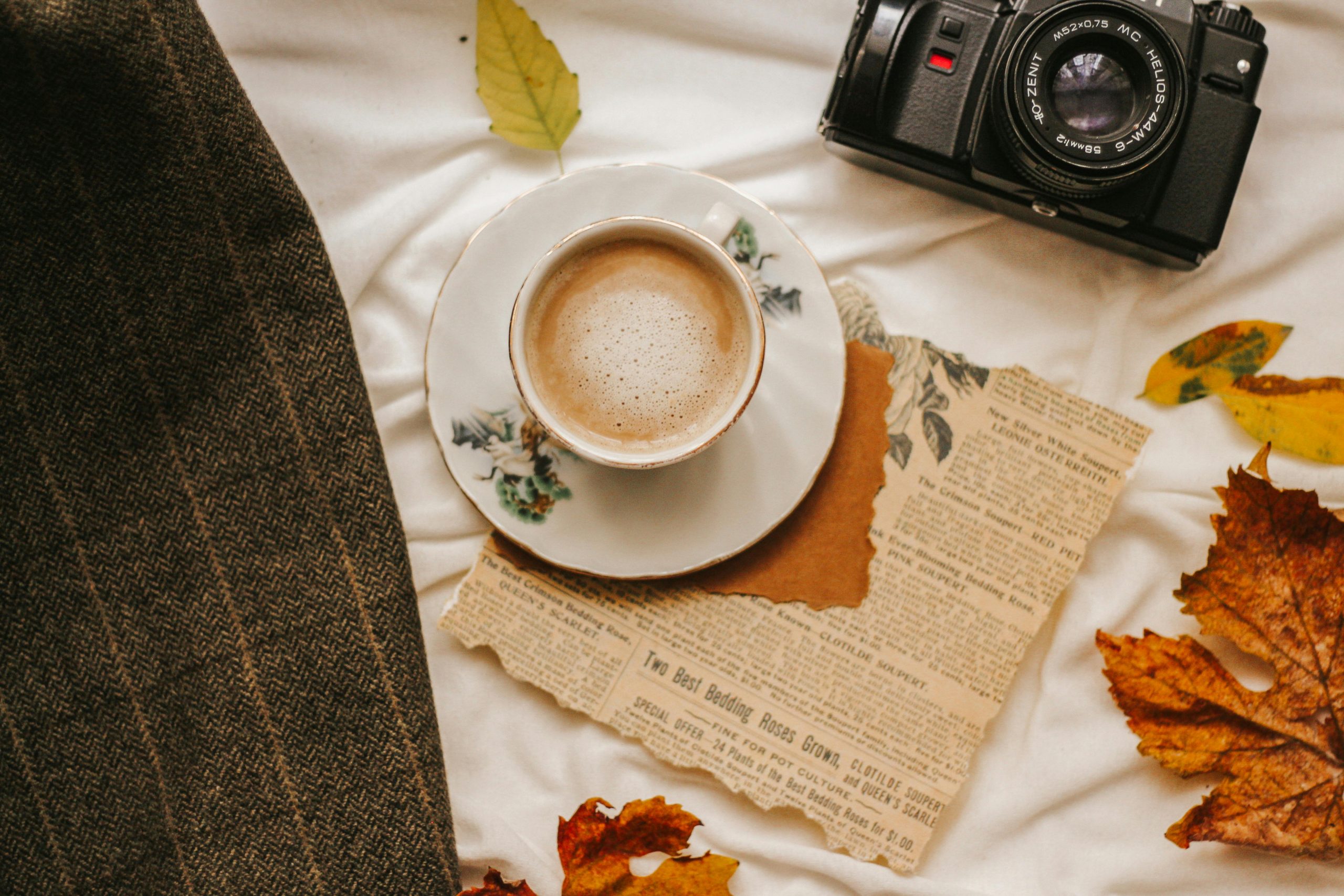
  • Coffee Mugs and Cups: Vintage coffee mugs, cups, and saucers can hold significant value, especially those with rare designs or from historic coffee houses. Some collectors focus on specific patterns, such as mid-century modern styles, while others seek out promotional mugs from coffee companies or cafes from years past.
  • Coffee Accessories and Ephemera: Other collectible items include vintage coffee spoons, sugar bowls, creamers, and even old coffee catalogs. Ephemera, like old menus from coffee shops or brochures from coffee bean producers, can also hold great historical value.

3. The History of Coffee Memorabilia

The history of coffee memorabilia is deeply intertwined with the history of coffee itself. Coffee drinking has been part of global culture for centuries, with many of today’s coffee rituals originating in the 18th and 19th centuries. The industrialization of coffee production and the rise of advertising in the 20th century further fueled the creation of coffee-related collectibles.

As coffee culture continued to evolve, so did the products and memorabilia associated with it. The early 1900s saw the mass production of coffee grinders, as household coffee preparation became more widespread. Meanwhile, mid-century coffee advertising helped shape the public’s perception of coffee as a beverage for the everyday person. Today, antique coffee memorabilia offers a snapshot of this rich history and allows collectors to connect with the past in a tangible way.

4. Why Collect Coffee Memorabilia?

Collecting coffee memorabilia isn’t just about acquiring items—it’s about preserving the history and culture of coffee. Here are a few reasons why coffee collectors find value in this hobby:

  • Historical Connection: Collecting antique coffee memorabilia allows you to trace the development of coffee culture over time. Each piece serves as a tangible connection to coffee’s past and helps preserve the history of this beloved beverage.
  • Nostalgia and Aesthetics: Many collectors are drawn to vintage coffee items because they evoke a sense of nostalgia. These items can also add unique character and charm to your home decor, with their vintage craftsmanship and nostalgic appeal.
  • Investment Potential: Some rare coffee collectibles, particularly old grinders, vintage advertising, and limited-edition pieces, can increase in value over time. While collecting coffee memorabilia is primarily a passion, it can also be a smart investment for those who understand the market.
  • Community and Culture: Coffee collecting connects enthusiasts with a larger community of people who share an appreciation for coffee history. Collectors often find joy in learning about the cultural significance of coffee items and sharing their discoveries with others.

5. How to Start Your Own Coffee Memorabilia Collection

Starting a collection of coffee memorabilia doesn’t require a large budget or expertise, but a few tips can help you build a meaningful and valuable collection:

  • Do Your Research: Learning about the different types of coffee memorabilia and their historical significance is key to building a strong collection. Online resources, coffee history books, and collector forums can provide valuable insights.
  • Start Small: It’s often best to start with a specific type of memorabilia that interests you the most, whether it’s antique coffee grinders or vintage coffee ads. Starting small will allow you to learn about the collecting process and gradually expand your collection over time.
  • Attend Auctions and Estate Sales: Auctions, estate sales, and flea markets are great places to find rare and vintage coffee items. Many collectors discover hidden gems at these events, so it’s worth keeping an eye out for opportunities to add to your collection.
  • Join Coffee Collecting Communities: Connecting with other coffee memorabilia collectors can help you learn more about the hobby and gain access to rare items. Online forums, social media groups, and local collector clubs can be excellent resources for networking and sharing knowledge.
  • Care for Your Collection: Once you begin collecting, it’s important to take care of your items to preserve their value. Keep your memorabilia clean, store it properly, and avoid exposure to harsh elements like direct sunlight, which can cause fading.

6. The Future of Coffee Collecting

As coffee continues to evolve in terms of brewing methods, flavors, and culture, coffee memorabilia collecting will likely evolve as well. New trends, such as the rise of specialty coffee and sustainability movements, could influence the types of collectibles in demand. For example, eco-friendly coffee items, vintage equipment, and limited-edition coffee promotional materials may become the next hot collectibles.

Conclusion

Coffee memorabilia collecting offers a fascinating journey through the history of coffee culture, while also allowing enthusiasts to enjoy the beauty of vintage items. Whether you’re drawn to antique coffee grinders, classic advertisements, or rare mugs, starting a collection of coffee-related antiques is a rewarding way to explore the heritage of this beloved beverage. With each piece, you’re not only preserving history but also connecting with the rich, diverse world of coffee in a meaningful and enjoyable way.

Leave a Reply

Your email address will not be published. Required fields are marked *