No products in the cart.
- 7am -7pm Everyday
- 23 W. Market St, Wilkes-Barre, PA 18701
- info@abidecoffeehouse.com
- 570-994-3153
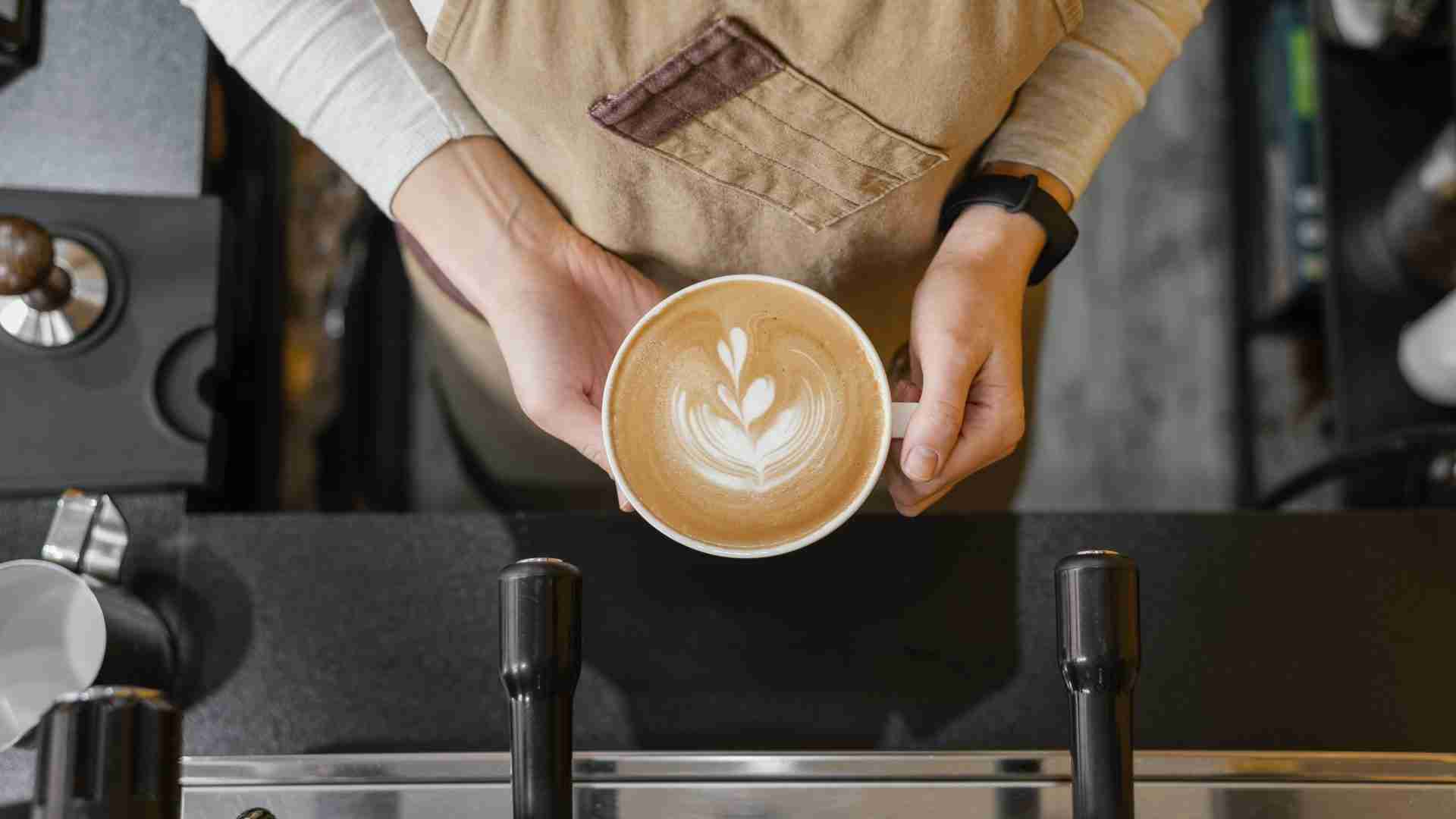
If you’re passionate about coffee, you’ve surely seen these three options on coffee shop menus—especially at places like Abide Coffeehouse: coffee with milk, cappuccino, and macchiato. While they share similar ingredients—espresso and milk—the differences in texture, flavor, proportions, and style make each one a completely unique experience.
Whether you’re just beginning to explore the world of coffee or looking to fine-tune your palate, this guide will help you identify which of these drinks suits you best. Read on to discover the main differences between coffee with milk, cappuccino, and macchiato, and feel confident on your next visit to your favorite café.
Before diving into the specifics of each drink, it’s important to understand that they all share the same foundation: espresso.
Espresso is a concentrated form of coffee, extracted using hot water under high pressure. It has a bold flavor and small volume, serving as the core base for many popular drinks.
To this espresso, steamed milk and milk foam are added in varying proportions depending on the beverage. You can also customize your drink with different types of milk—whole, skim, or plant-based options like oat, almond, or soy—each offering its own unique flavor and texture.
Coffee with milk is a classic and comforting drink, popular in Hispanic and European cultures. Its simplicity makes it the go-to choice for those seeking smoothness and balance without complexity.
The basic ratio is 1 part espresso to 2 or 3 parts hot milk, with little to no foam. The result is a creamy texture, though not as thick or airy as a cappuccino.
Perfect for those who prefer a mild, full-bodied coffee with less intensity. It’s also a great starting point if you’re getting used to drinking coffee without sugar or if you prefer a larger, longer-lasting cup.
The cappuccino originates from Italy and has gained worldwide popularity for its balanced flavor and iconic foam. Though its preparation has evolved, at specialty cafés like Abide Coffeehouse, it’s still served in its most authentic form.
The classic cappuccino consists of 1/3 espresso, 1/3 steamed milk, and 1/3 milk foam. This creates a small (about 6 oz), airy drink with a lighter mouthfeel and rich flavor.
Ideal for those who enjoy a creamy texture, a balanced profile, and an elegant presentation—often topped with beautiful latte art.
Macchiato means “stained” in Italian and refers to espresso “stained” with a touch of milk or foam. While there are commercial versions (like the vanilla or caramel macchiato), in specialty coffee shops, the traditional macchiato remains a simple, bold drink.
A traditional macchiato is almost entirely espresso, with just a small amount of steamed or foamed milk. It’s a low-volume drink with a strong flavor, where the espresso remains the star.
Perfect for espresso lovers who want just a hint of softness without losing intensity. It’s also a great option if you’re looking for a quick, bold coffee experience.
At Abide Coffeehouse, you can enjoy any of these espresso-based drinks made with high-quality beans and crafted by expert baristas. If you’re not sure which one to order, here are some tips:
You can also customize your drink with plant-based milk alternatives, natural syrups, or even enjoy it iced, depending on the season.
Although café con leche, cappuccino, and macchiato share the same basic ingredients, their differences in ratio, texture, and intensity make them uniquely suited to different tastes and occasions.
So next time you stop by Abide Coffeehouse, don’t hesitate to step outside your usual order. Ask your barista for recommendations, try something new, and discover the rich world of coffee from a fresh perspective.
At Abide, our goal is to bring you more than great tasting specialty coffee, we want our store to feel like home. Nestled in downtown Wilkes-Barre, we believe in paying homage to our city’s history while still offering a modernity that appeals to all generations.
© Copyright 2024 – All Rights Reserved | With love by – Abide Coffeehouse.